Why Your Gate is Sagging - It Starts Here
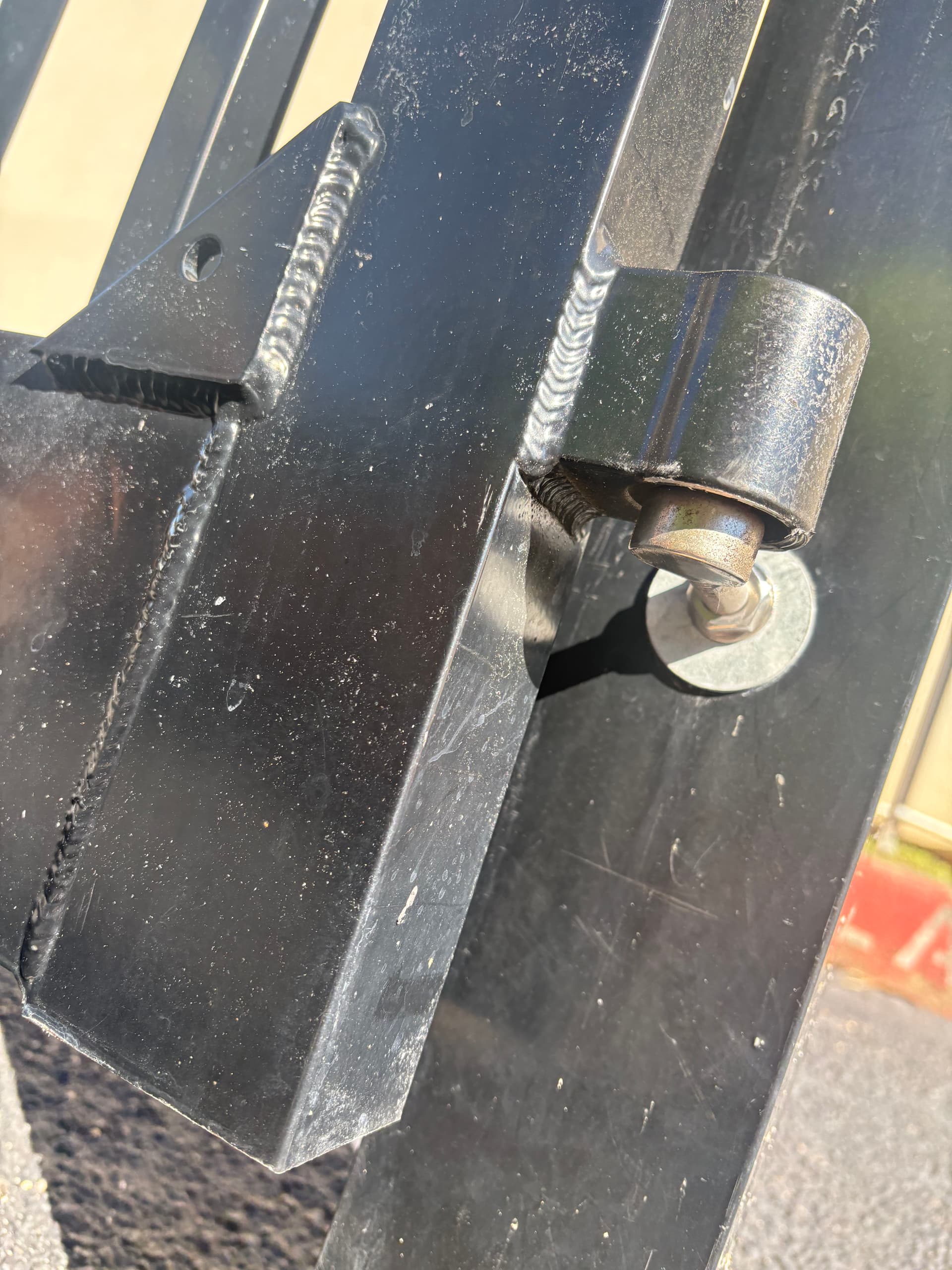
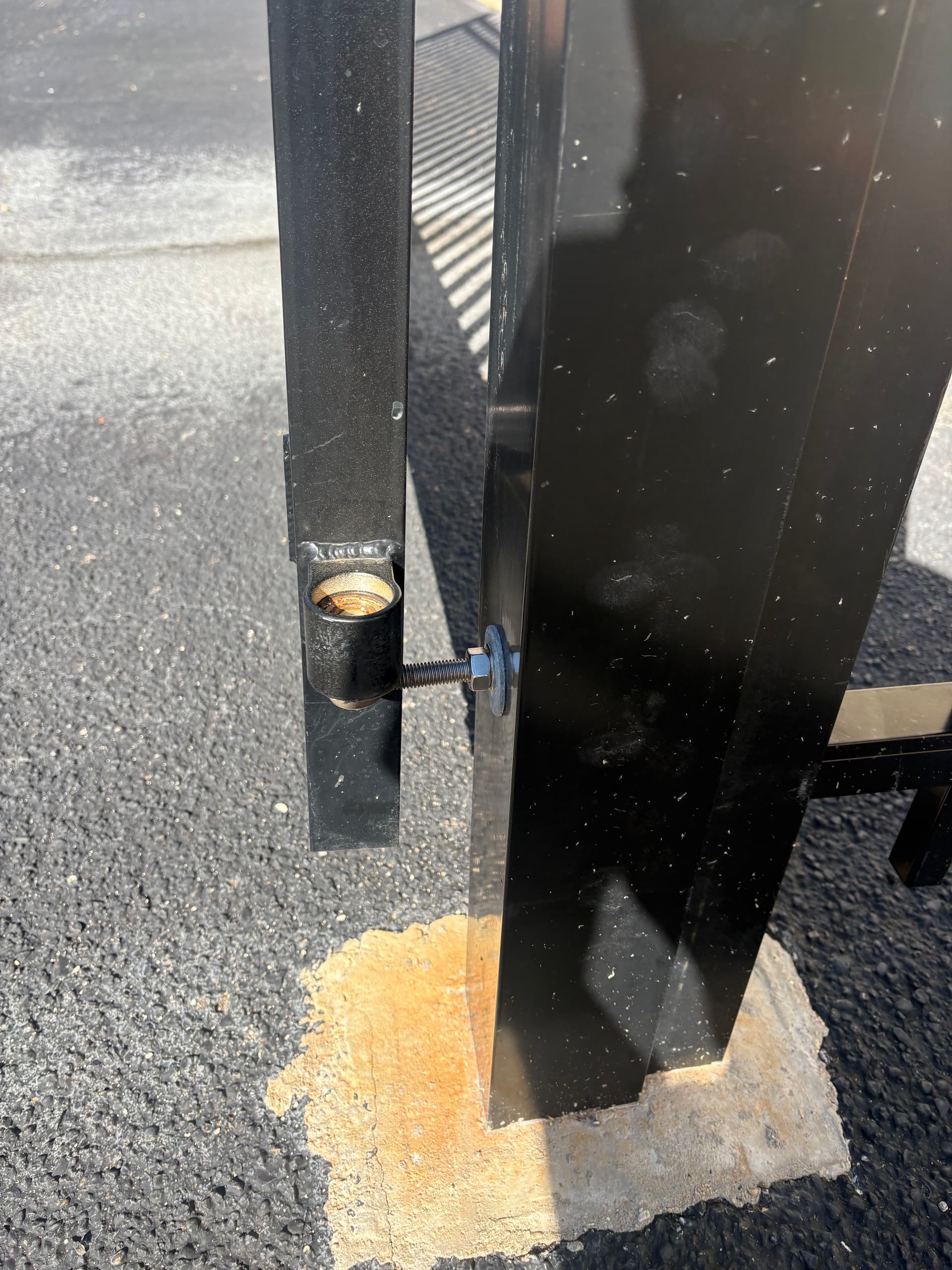
Most people don't think about their gate until it stops working right. It starts sticking. Then it sags. Then it won't latch at all. And by that point, what was originally a minor hardware issue has turned into a bigger, more expensive repair.
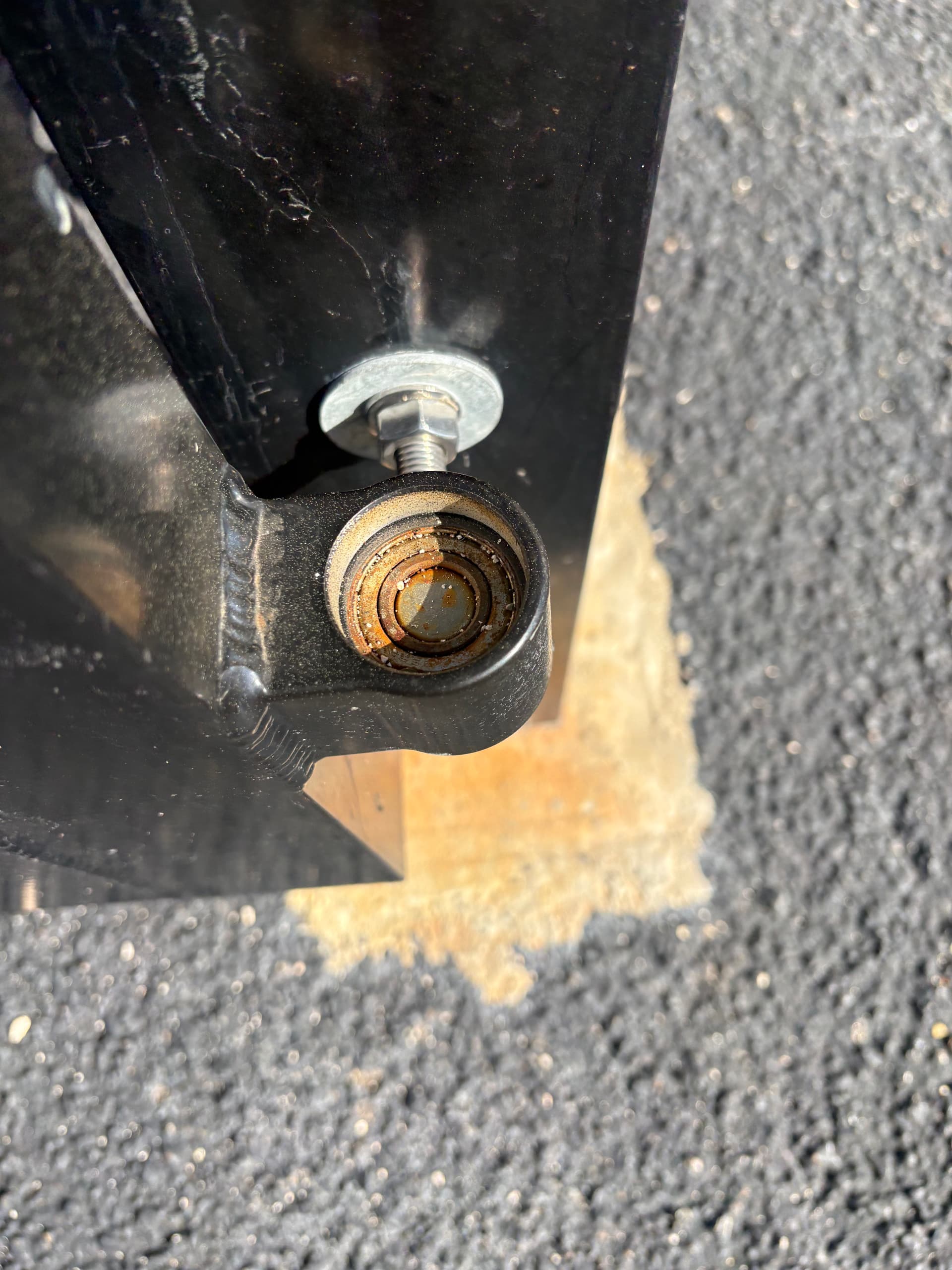
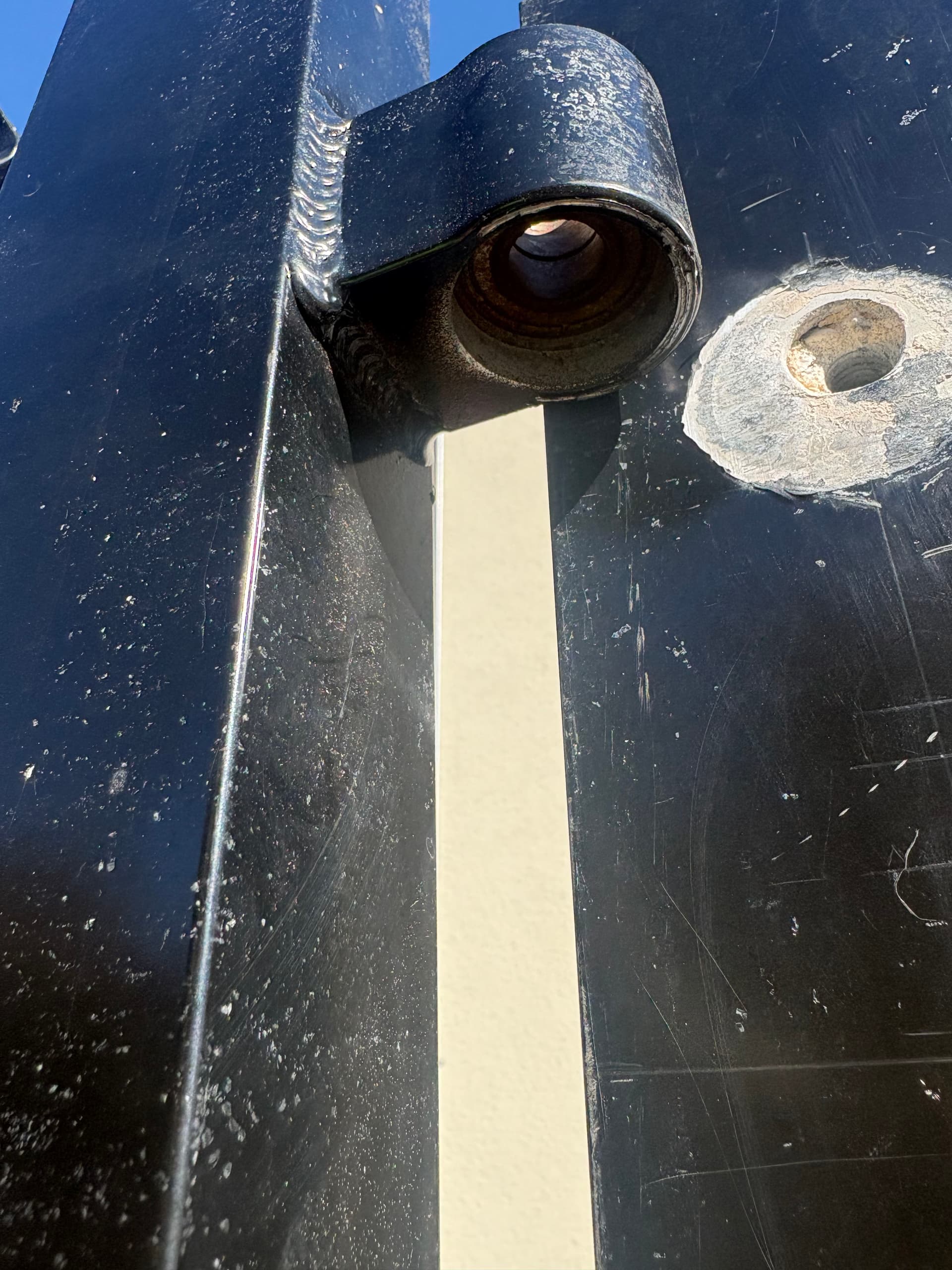
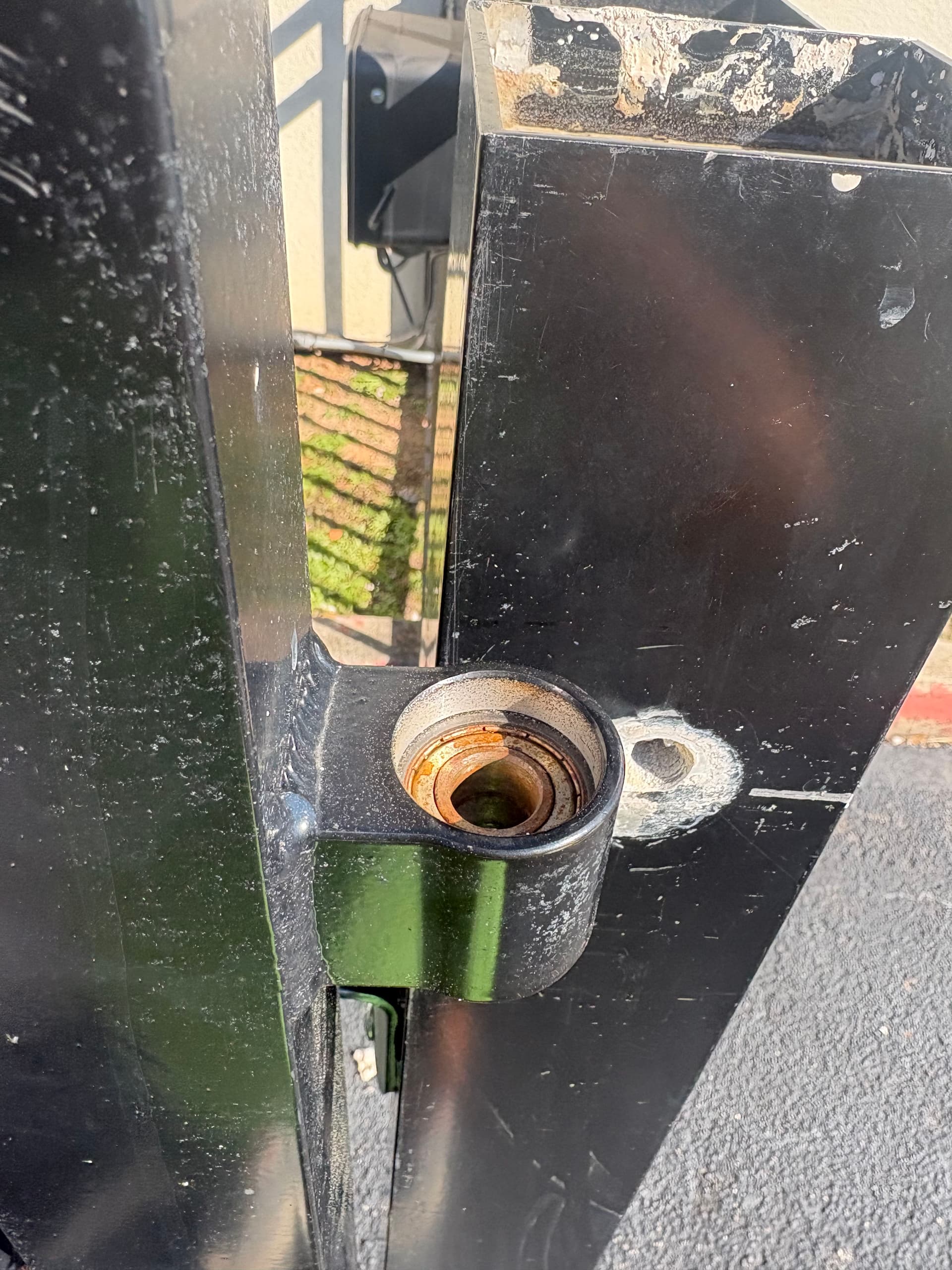
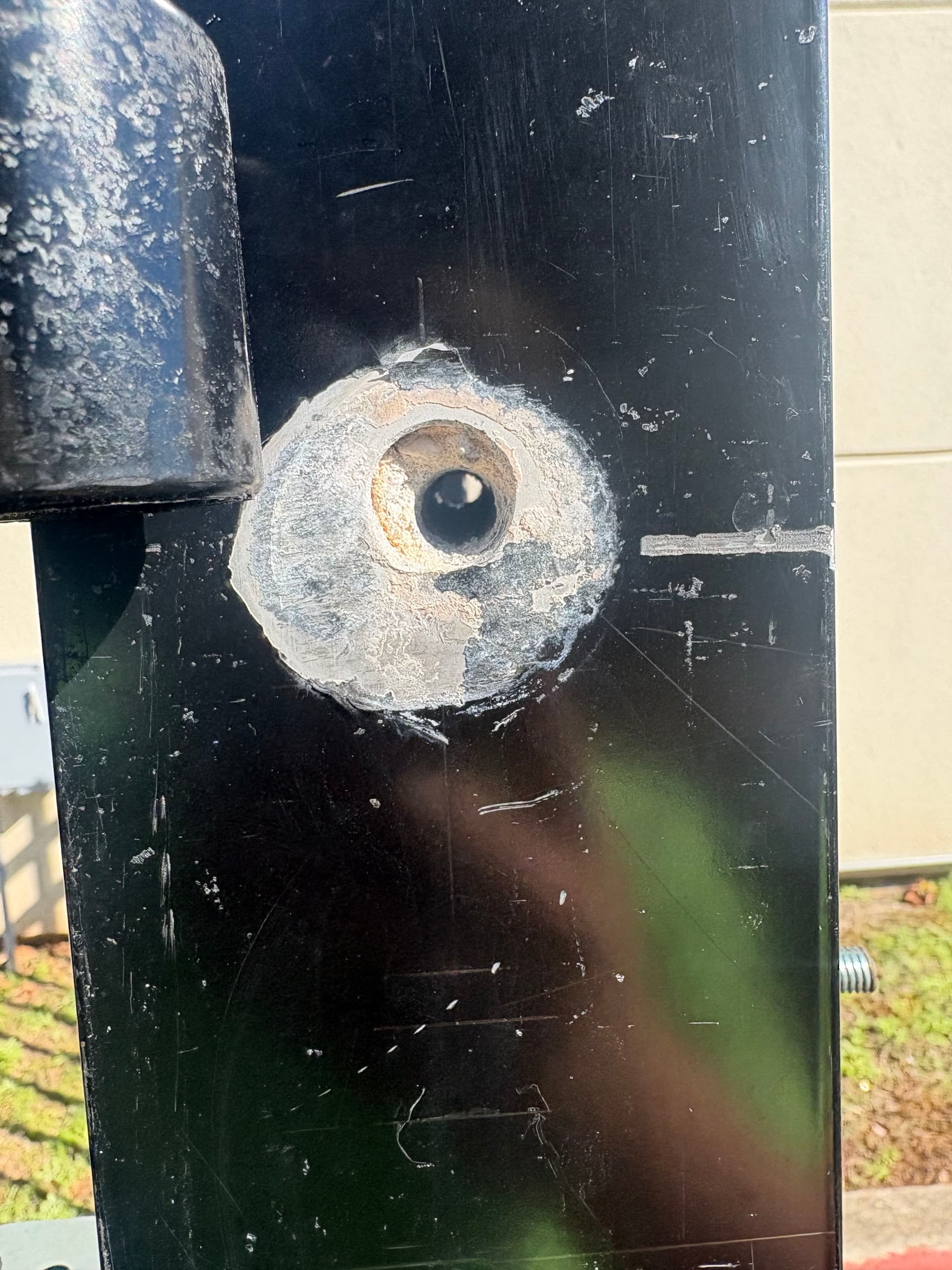
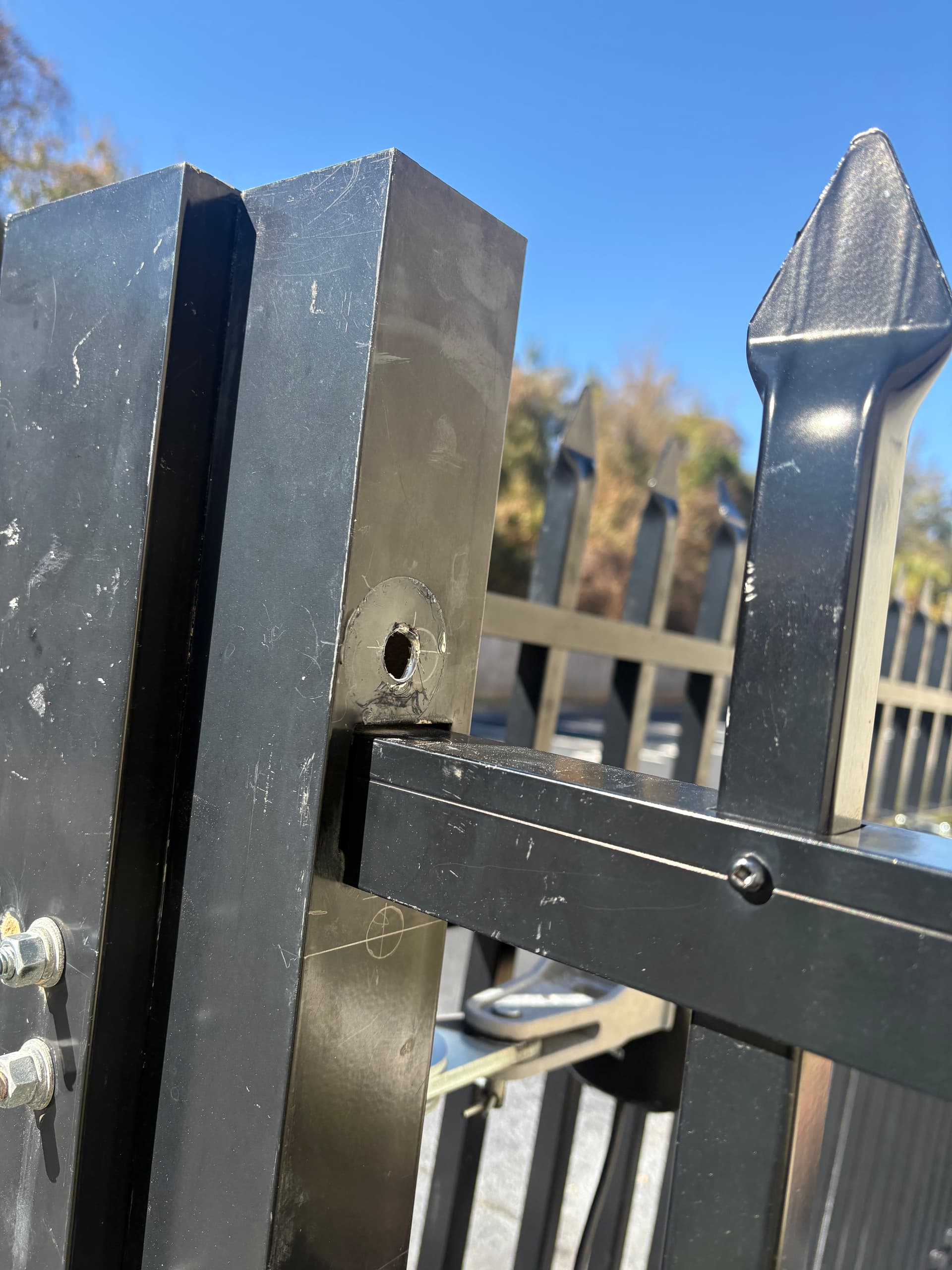
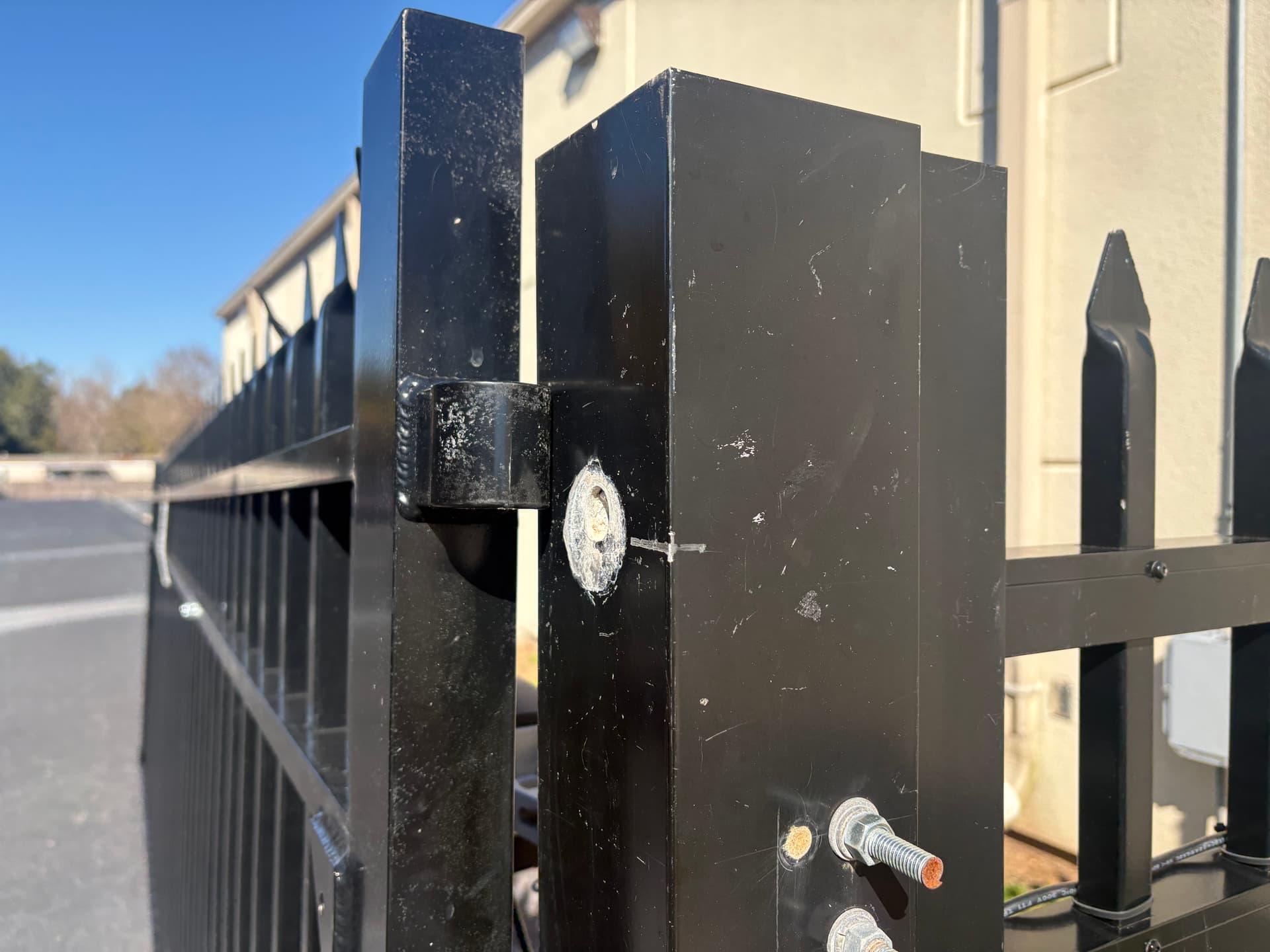
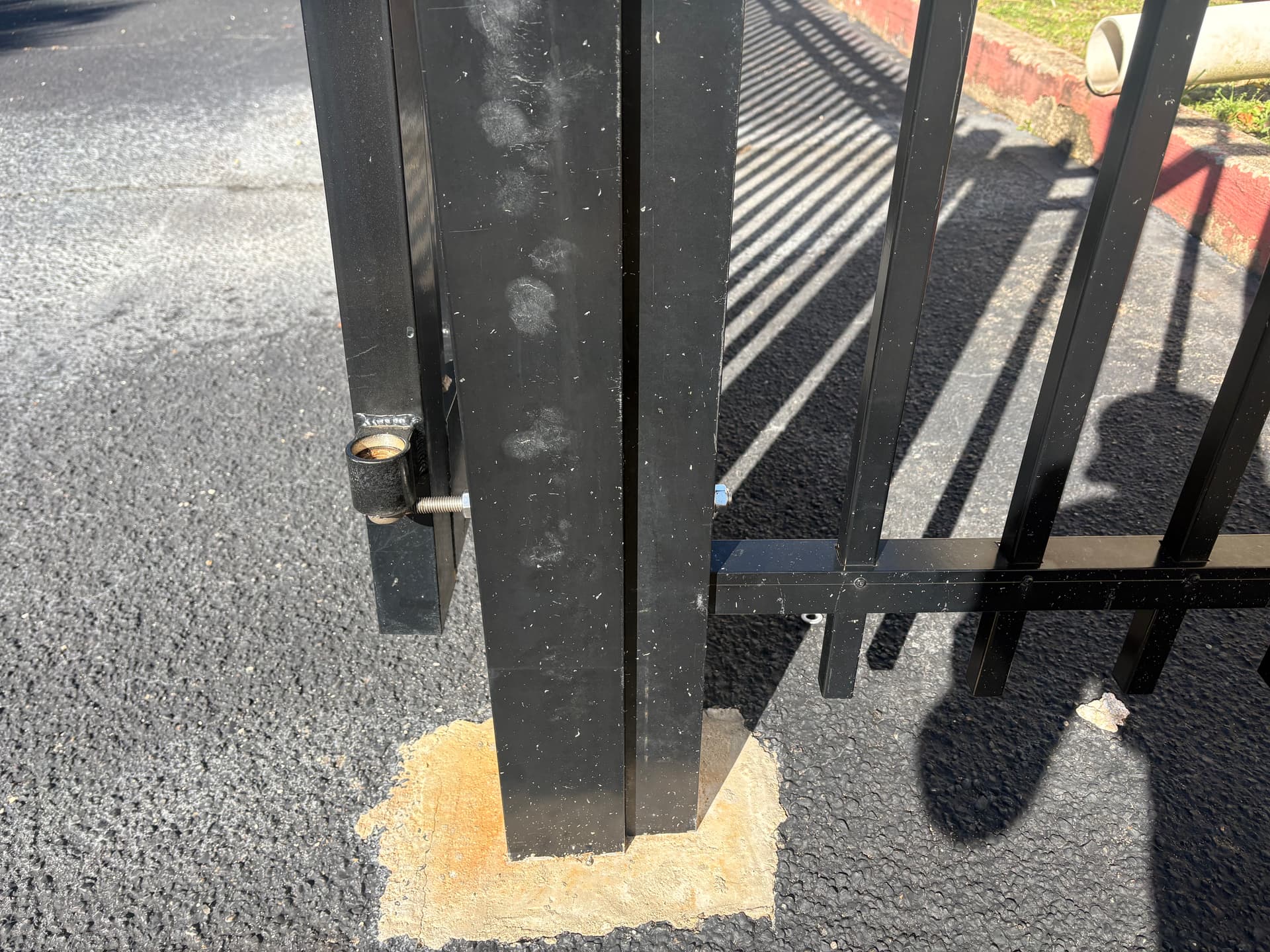
The culprit is almost always the same thing - worn or damaged hinges and loose hardware. We're talking about the small components that carry the full weight of a metal gate every single time it opens and closes. When those parts start to fail, the whole gate goes with them. Rust building up inside the hinge barrel, bolt holes wearing out, pivot points losing their grip - these are the things that don't get noticed until the damage is already done.
That's exactly why inspections matter so much. When we get up close to a gate, we're looking at every weld, every hinge pin, every fastener. A hinge that looks fine from a distance can tell a completely different story on closer inspection - visible rust eating through the interior, bolt holes that have wallowed out, or a pivot that has so much play in it the gate can't hold its alignment anymore.
The good news is that catching these issues early keeps the repair straightforward. A worn hinge replaced now is a much simpler fix than dealing with a gate that has pulled away from its post or damaged the surrounding structure. That's the whole point of knowing what to look for - and it's something we do on every service call, not just the ones where something is obviously broken.
If your gate is sticking, dragging, or just not sitting right in the frame, those are the early signs. Don't wait until it won't close at all. Our gate repair service covers everything from hardware replacement to full hinge rebuilds on metal gates like these.